Dark Literature Through History
1914-1918
World War I
The Great War shattered the optimism of the early 20th century, giving birth to modernist literature that explored disillusionment, trauma, and the meaninglessness of existence. Writers like Ernst Jünger and Erich Maria Remarque captured the brutal reality of mechanized warfare.
1929-1939
Great Depression
Economic collapse and widespread poverty inspired a generation of writers to examine social inequality, desperation, and the failure of the American Dream. Works like John Steinbeck's "The Grapes of Wrath" revealed the harsh realities of displacement and survival.
1939-1945
World War II & Holocaust
The systematic horrors of the Holocaust and global warfare pushed literature into uncharted territories of darkness. Writers like Primo Levi, Viktor Frankl, and later Kurt Vonnegut explored the depths of human cruelty and the search for meaning in absolute chaos.
1945-1991
Cold War Era
Nuclear anxiety, surveillance states, and ideological conflict created a literature of paranoia and dystopia. George Orwell's "1984" and Ray Bradbury's "Fahrenheit 451" warned of totalitarian futures, while existentialist writers explored alienation in an absurd world.
1960s-1970s
Vietnam War & Social Upheaval
The Vietnam conflict and domestic unrest spawned literature that questioned authority, explored trauma, and examined the dark underbelly of American society. Writers like Tim O'Brien and Hunter S. Thompson captured the chaos and moral ambiguity of the era.
1980s-Present
Post-Modern Darkness
Contemporary dark literature reflects modern anxieties: climate change, technological alienation, economic inequality, and existential dread. Authors like Cormac McCarthy, Chuck Palahniuk, and Gillian Flynn explore violence, nihilism, and psychological darkness in an increasingly fragmented world.
Literature by Historical Period
The World Wars Era (1914-1945)
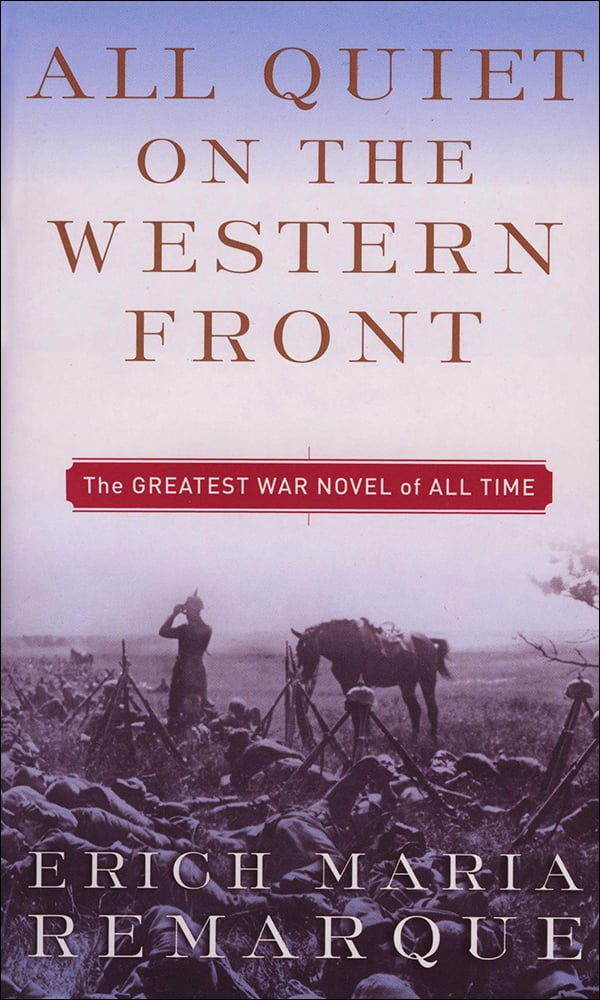
All Quiet on the Western Front
Erich Maria Remarque
A haunting portrayal of German soldiers in WWI, revealing the psychological and physical devastation of trench warfare.
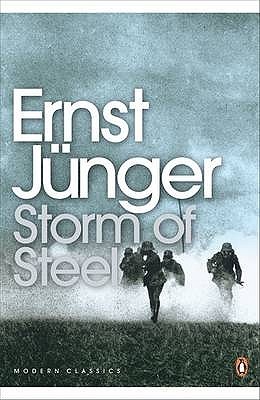
The Storm of Steel
Ernst Jünger
A controversial memoir that presents WWI combat with stark realism and troubling fascination with violence.
Night
Elie Wiesel
A devastating account of survival in Nazi concentration camps, exploring faith, humanity, and the nature of evil.
Cold War Anxieties (1945-1991)
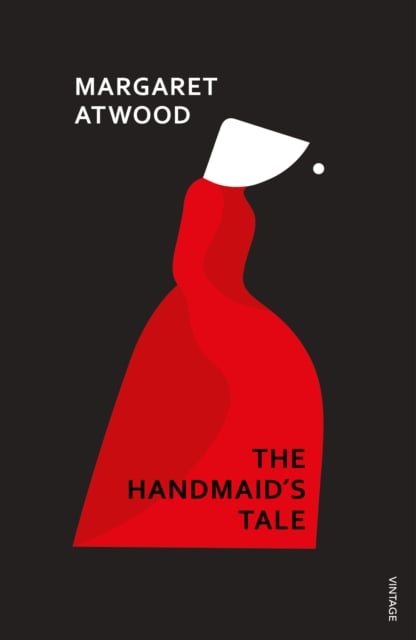
The Handmaid's Tale
Margaret Atwood
A chilling dystopian vision of a theocratic society where women's rights have been completely stripped away.
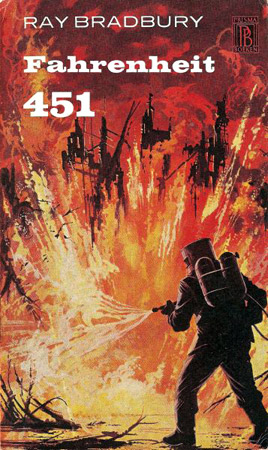
Fahrenheit 451
Ray Bradbury
A prescient warning about censorship and the death of critical thinking in a media-saturated society.
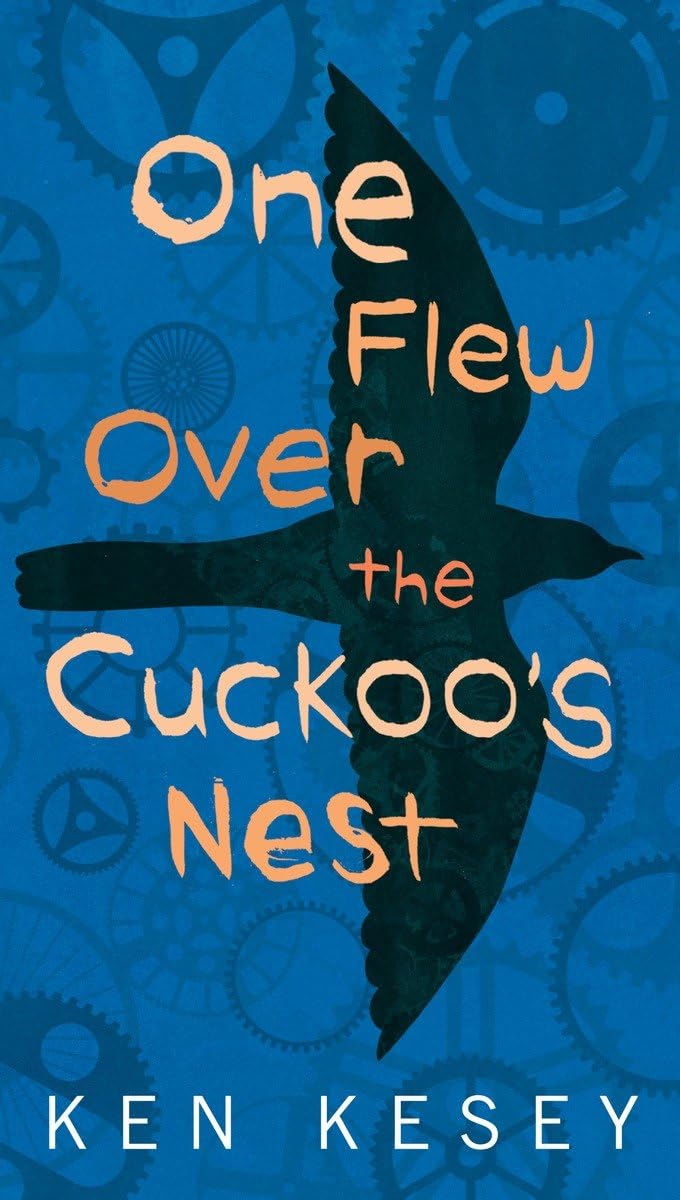
One Flew Over the Cuckoo's Nest
Ken Kesey
A powerful critique of institutional authority and the suppression of individuality in American society.
Contemporary Darkness (1990s-Present)
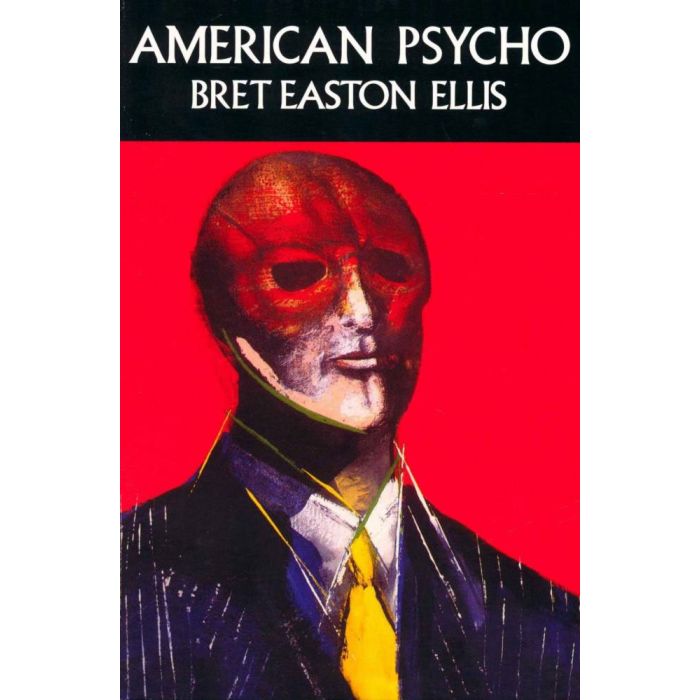
American Psycho
Bret Easton Ellis
A savage satire of 1980s consumer culture told through the eyes of a psychopathic Wall Street executive.
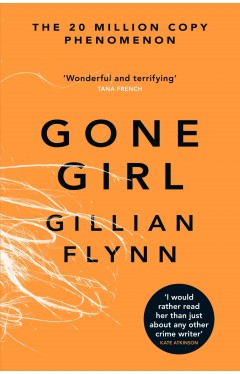
Gone Girl
Gillian Flynn
A dark psychological thriller that exposes the toxic underbelly of marriage and media manipulation.
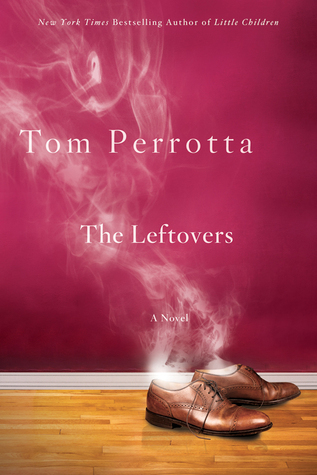
The Leftovers
Tom Perrotta
Explores how people cope with inexplicable loss and the breakdown of meaning in modern society.
How History Shapes Dark Literature
Trauma as Catalyst
Historical traumas serve as powerful catalysts for dark literature. Writers process collective suffering through fiction, creating works that help society understand and cope with devastating events.
Society's Mirror
Dark literature acts as society's mirror, reflecting our deepest fears, prejudices, and moral failures. These works force us to confront uncomfortable truths about human nature.
Warning Systems
Many dark works serve as warning systems, alerting readers to potential futures or hidden present dangers. Dystopian fiction often predicts authoritarian trends decades in advance.
Empathy Building
By exploring the darkest aspects of human experience, these works paradoxically build empathy and understanding, helping readers connect with suffering and injustice.
Explore Literature's Dark History
Understanding how historical events shaped literature helps us better comprehend both our past and present. These works continue to resonate because they address fundamental questions about human nature, morality, and survival.